The Story Behind the LIFELINES Community Building Program
Early in 2024, after developing and delivering community building programs for several years, I became aware of what first responders are dealing with. This awareness came through several sources, among them a friend whose son, a paramedic, was suffering from PTSD.
At the time, I was preparing a community building program for a global organization of therapists; psychologists, and psychiatrists, who wanted to feel more united and less isolated.
It took a minute. Then I saw it. These community building programs could help first responders.
A Leap of Faith
It was only after speaking with chiefs, directors, coordinators and other leaders in the field for two years that I saw just how right it was that I take that leap! But to be fair, I had the data and testimonials from seven years of programs. Every single program produced the same outcomes: participants feeling closer, safer, more valued, less isolated; supported.
In those two years, as I delivered and further developed the LIFELINES program, I saw the same results. I saw more benefits than even I had anticipated because now I saw the value of the program through the eyes of the participants.
What LIFELINES Does for an Organization
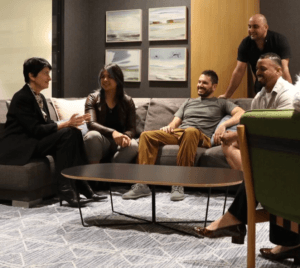
The LIFELINES program unites team members personally and authentically. This program facilitates communication with colleagues about small issues, naturally, while the issues are still small. The relationships created through community building empower them to reach out to a colleague who seems to be in distress long before they are in crisis. But more than that, it creates a feeling of belonging and support unlike any other.
LIFELINES is a carefully crafted process that results in a pre-crisis support culture in first responder organizations. The community building skills gained in the LIFELINES program are not crisis response tools; they create conditions that reduce the need for crisis response.
This is the missing piece in the first responder support system, the relational layer. This is provider well-being at its finest.
If this resonates with you, I invite you to contact me to schedule a 20-minute Zoom conversation.